Tangled Up in Green Gallery
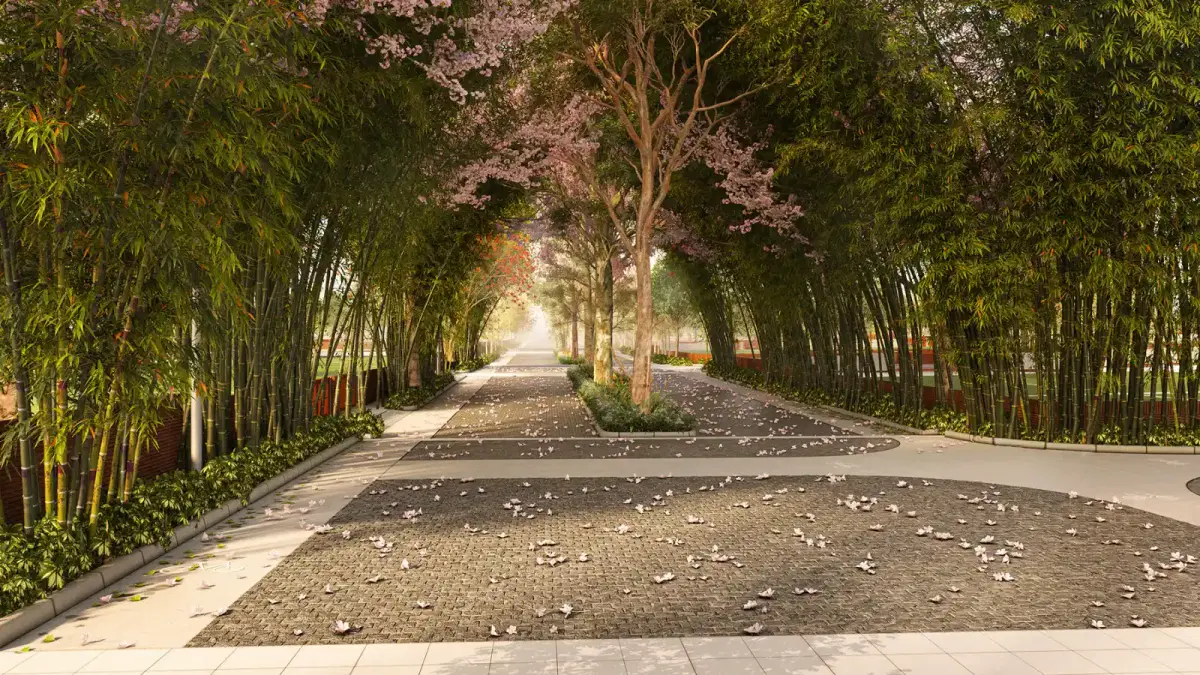
The structural shifting of contemporary metropolitan land paradigms highlights how discerning land buyers focus heavily on layout excellence and spatial autonomy. Within highly competitive regional real estate growth micro-markets, checking the detailed engineering specifications, legal compliance frameworks, and long-term valuation trends is highly essential. #link# serves as an active reference point for analyzing how localized infrastructure pushes organic demand for land. To accurately forecast future property rental yields and capital gains, one must examine macro regional developments, localized structural blueprints, and underlying financial projections with extreme detail.
Evaluating High-Velocity Transit Infrastructure and Plotted Land Traction
The strategic deployment of international aviation gateways and peripheral ring roads transforms agricultural or secondary land parcels into high-value residential zones. Analytical housing forecasts indicate that the extension of public rapid transport networks lowers vacancy rates while boosting land compounding opportunities for long-term real estate owners. When an integrated township is built immediately adjacent to expanding aerospace special economic zones, high-salaried working professionals naturally choose to locate their primary villa residences within that specific geographic boundary. In tandem with this, the rapid development of specialized commercial complexes, multi-specialty healthcare institutions, and elite international schools guarantees that housing demand remains highly resilient across all luxury configuration categories. To truly map these appreciation models, staying updated on real estate pricing matrices remains essential.
Infrastructure Material Specifications and Low-Density Spatial Philosophy
The long-term asset lifecycle of contemporary master-planned townships is highly optimized when Tier-1 construction organizations adopt global building practices. The deployment of advanced cluster infrastructure planning systems, extensively known across the industry as human-centric design, dramatically accelerates structural layout timelines while ensuring uniform aesthetic value distribution more info across all sectors. When an elite real estate development prioritizes high-end architectural choices, the communal spaces integrate smart city automated touchpoints, multi-tiered digital security hardware, and premium eco-friendly materials. At the same time, leading luxury real estate architects are heavily emphasizing wide open green spaces. By dedicating over 60 to 80 percent of the total available acreage to landscaped gardens and natural forest reserves, the underlying asset retains a massive undivided share of land value, directly benefiting the individual homeowner. Reviewing these exact spatial configurations allows buyers to verify actual land utilization efficiency numbers.
Navigating Statutory Approvals, Land Documentations, and Risk Mitigation Checklists
For astute high-net-worth individuals evaluating long-term capital allocation options, capturing early-stage pre-launch inventory from a reputed multi-state developer minimizes capital entry risk. Acquiring luxury property units during the strategic pre-launch window provides an immediate equity upside the moment the developer transitions into subsequent public marketing rounds. Driven by the continuous arrival of high-earning corporate leadership professionals, local land markets translates into rapid capital compounding, allowing real estate portfolios to expand into self-sustaining investment channels. Despite these exceptional returns, investors must strictly prioritize legal transparency and verification protocols. Validating the builder's historical track record regarding timely project delivery, horizontal engineering precision, and legal transparency provides absolute piece of mind, allowing buyers to comfortably track development milestones from anywhere in the world.
Analyzing the Tangible Value of Integrated Green Spines and Forest Reserves
The modern luxury land consumer no longer views a plot as just a collection of private square footage. Deploying cutting-edge sustainable infrastructure along with predictive eco-friendly management systems, allows residents to effortlessly manage spatial layout choices, custom villa integration pipelines, and visitor tracking protocols. This physical design transition is heavily backed by the development of massive multi-level lifestyle clubhouses. Providing comprehensive personal wellness facilities, dedicated therapeutic meditation lawns, and nature trails, the community design provides a vibrant, healthy, and highly secure environment for families to thrive over generations. In addition to this, implementing zero-waste rainwater harvesting models and sustainable solar energy networks adds an immense premium to the property's market positioning, driving permanent consumer demand.
Strategic Conclusion for Astute Long-Term Property Acquisition
To conclude, executing a highly successful real estate acquisition strategy requires looking closely at three core factors: micro-market commercial development timelines, RERA statutory clearances, and layout spatial efficiency metrics. Through a disciplined process of examining payment schedules, verifying infrastructure commitments, and conducting physical site visits, investors can completely eliminate downside market risks while locking in maximum capital gains. As strategic real estate zones approach their structural maturity over the coming years, these ultra-premium residential enclaves will stand out as the definitive standard for luxury urban living.